
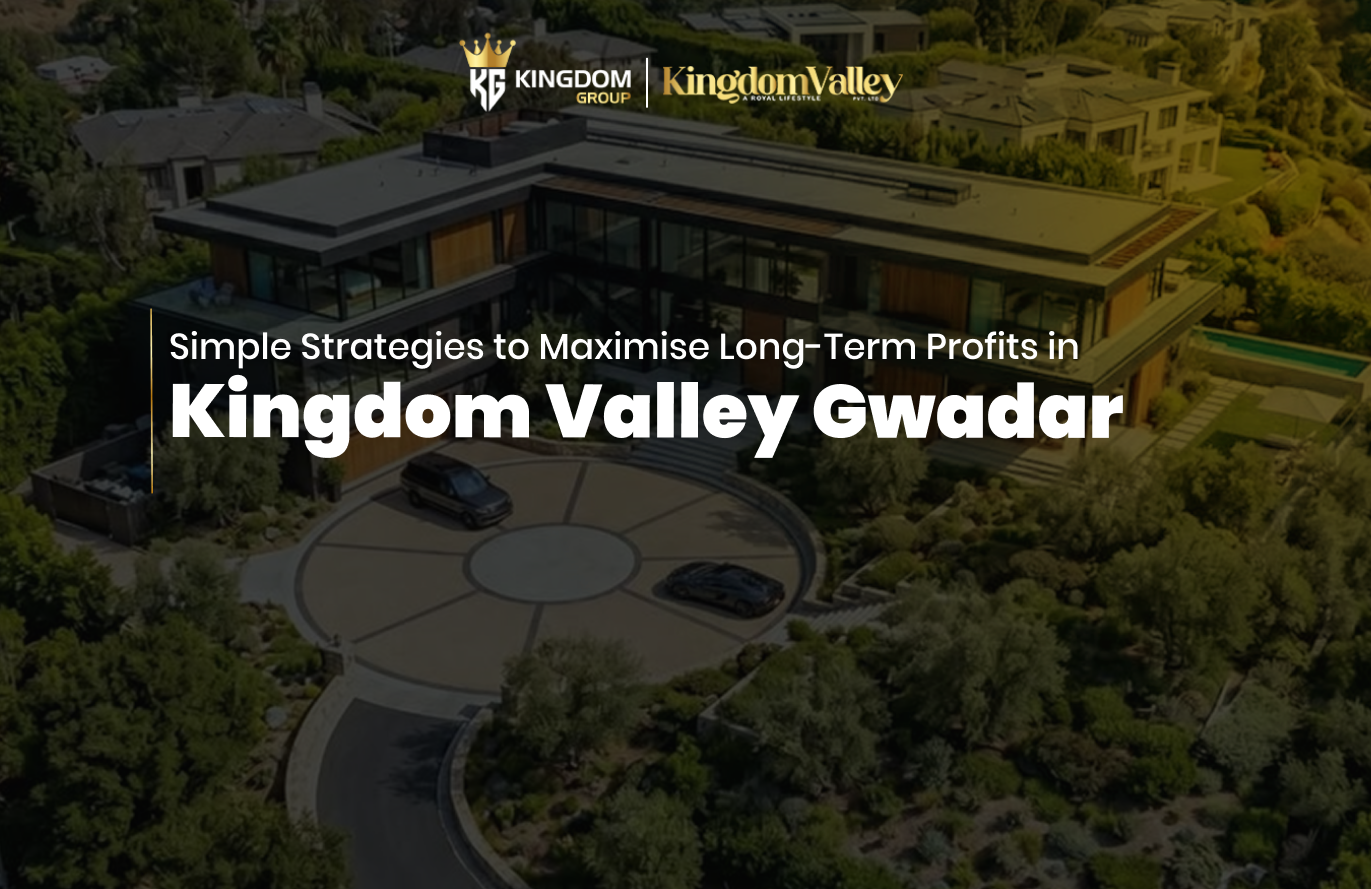
Simple Strategies to Maximise Long-Term Profits in Kingdom Valley Gwadar
Long-term property investment requires patience, financial discipline and a clear understanding of the factors that influence real estate value. Rather than relying on short-term price movements, investors benefit from evaluating location, development progress, purchase costs, and future demand before committing their funds. In Gwadar’s evolving property market, Kingdom Valley Gwadar presents a residential proposition that includes spacious homes, townhouses and apartments within a coastal setting. These options provide different ways to approach property ownership, depending on an investor’s budget and long-term objectives. However, sustainable returns depend on more than a project’s appeal. A structured investment strategy, supported by independent verification and realistic financial planning, helps buyers assess opportunities, manage risks and make decisions that remain practical throughout the holding period.
1. Define Your Long-Term Investment Goals
Before purchasing property, establish what you want your investment to achieve. Some buyers prioritise future resale, while others seek rental income, a family residence or an asset to hold over several years.
These objectives influence the property type, budget and expected holding period. An investor focused on rental income should examine local tenant demand, achievable rents and ongoing maintenance expenses. Someone planning to resell should consider comparable property prices, transaction costs and the likely time required to find a buyer.
A clear objective also helps prevent decisions based solely on promotional claims or short-term market excitement.
2. Evaluate Location and Coastal Appeal
Location can influence a property’s desirability, accessibility, and potential resale prospects. Gwadar’s coastal setting gives residential property a distinct identity, but buyers should assess practical access, surrounding infrastructure, and the area’s current level of development.
When evaluating Kingdom Valley Gwadar, examine the location in relation to established services, transport routes, employment opportunities and everyday conveniences. Consider whether these factors suit your intended use of the property and the likely needs of future buyers or tenants.
Coastal positioning alone does not guarantee appreciation. The strength of demand, development delivery and overall affordability remain important considerations.
3. Choose the Right Property Type
Different property formats serve different investment objectives. The development offers single-family homes, townhouses and apartments, allowing buyers to compare options according to space requirements, budget and intended use.
Match the Property to Your Strategy
A single-family home may suit buyers seeking privacy and a longer-term residential asset. Townhouses can provide an alternative for households balancing space with manageable property upkeep, while apartments may appeal to people who prefer a more compact living arrangement.
Compare the purchase price, expected maintenance, available facilities, and likely target market before selecting a property. A lower initial price does not necessarily produce a better return if ongoing costs are high or resale demand is limited.
4. Verify Approval and Legal Documentation
Legal verification is one of the most important safeguards in property investment. Before making a payment, confirm ownership records, the seller’s authority, relevant development approvals, and the contractual terms attached to the specific property.
If the development is presented as a GDA-Approved Society, independently verify its current approval status with the relevant authority. Request the applicable documents and ensure they correspond to the correct project, phase, and property. Do not treat marketing material as a substitute for official confirmation.
The developer identity associated with Kingdom Group should also be considered alongside the legal seller, written commitments, and payment arrangements. Independent legal advice can help clarify risks before a purchase is finalised.
5. Calculate the Full Cost of Ownership
A property’s potential profit should be assessed after accounting for the complete cost of purchasing and holding it. Beyond the advertised price, buyers may need to budget for taxes, transfer charges, legal fees, maintenance, utilities, and other applicable expenses.
Moreover, investors should retain a financial reserve for unexpected costs rather than committing their entire budget to the initial purchase. If rental income is part of the strategy, calculate a realistic net return after vacancies, repairs, and management expenses.
This approach provides a more accurate picture of profitability than comparing the purchase price with an optimistic future selling price.
6. Track Development Progress and Market Demand
Property expectations can change as infrastructure, surrounding services and residential activity develop. Investors should therefore monitor documented construction milestones, utility availability and changes in the local property market.
The design of Kingdom Valley Gwadar includes contemporary interiors, large windows, high ceilings, marble flooring and modern fixtures. These features may influence buyer interest, but their investment relevance depends on final specifications, delivery quality, and market preferences.
Furthermore, compare asking prices with credible evidence of completed transactions where available. Track demand for similar homes and avoid assuming that announced infrastructure or planned facilities will automatically produce higher prices.
7. Adopt a Patient and Evidence-Based Strategy
Long-term property ownership requires realistic expectations. Investors should decide in advance when they intend to review the asset, what costs they can sustain and which market conditions would justify selling or continuing to hold it.
A GDA-Approved Society still requires careful assessment of affordability, demand, development progress and the terms of purchase. Approval can address important regulatory questions, but it does not guarantee rental income or capital growth.
Most importantly, avoid borrowing beyond your capacity or relying on promised returns to meet essential financial obligations. A disciplined approach allows investment decisions to follow evidence rather than pressure.
Conclusion
Maximising long-term property returns begins with clear objectives, location analysis, appropriate property selection, legal verification and realistic budgeting. By reviewing these factors carefully, investors can assess Kingdom Valley Gwadar with a clearer understanding of its opportunities and risks. Patient decision-making, independent checks and regular market monitoring remain essential for responsible property ownership.
Contact Kingdom Group today to explore Kingdom Valley Gwadar’s residential opportunities, review available property options, and take a confident step towards your future investment.
FAQs
How can investors improve long-term returns from Kingdom Valley Gwadar?
Investors should assess location, purchase costs, legal documentation, development progress, and demand for comparable properties while maintaining realistic expectations about future returns.
Does a GDA-Approved Society guarantee property appreciation?
No. Approval status does not guarantee price growth or rental income. Investors must independently assess market demand, costs, project progress, and the legal documents applicable to their purchase.
Which property type should investors choose in Kingdom Valley Gwadar?
The appropriate option depends on budget, intended use, holding period, and target market. Comparing homes, townhouses, and apartments helps investors select a property that aligns with their objectives.
